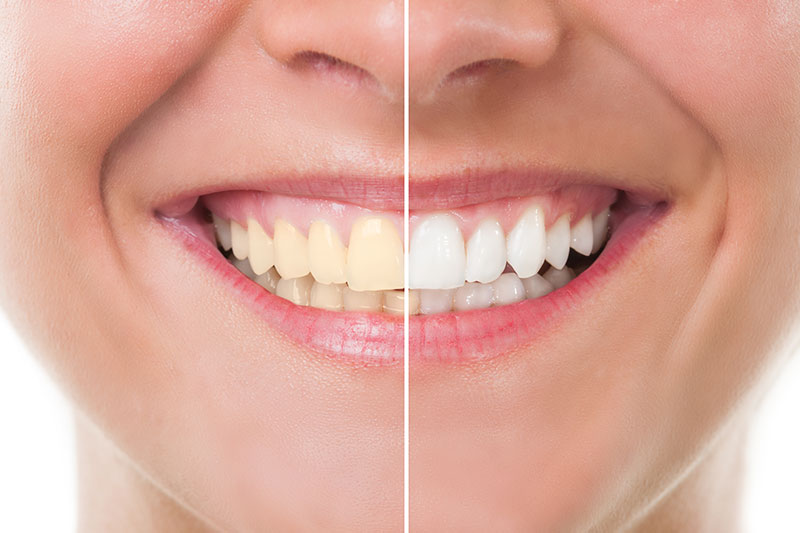
Tag: Tooth Discoloration

  • Why Teeth Get Stained and How Dentists Remove Discoloration

    Why Teeth Get Stained and How Dentists Remove Discoloration

    A bright smile can leave a lasting impression, but tooth stains are something many people deal with over time. Whether caused by food, drinks, smoking, aging, or poor oral hygiene, stained teeth can affect confidence and overall appearance. The good news is that many types of tooth discoloration can be treated with the right dental care and professional guidance.
    At 8th Avenue Dental, patients often ask about the causes of tooth stains and the best ways to restore a cleaner, brighter smile. Understanding the different types of stains can help you choose the most effective treatment option.

    What Causes Tooth Stains?

    Tooth discoloration can happen for several reasons. Some stains develop on the surface of the teeth, while others occur deeper inside the tooth structure. Lifestyle habits, diet, medications, and aging all play a role in changing tooth color over time. Common causes of tooth stains include:
    • Coffee and tea
    • Red wine and dark-colored beverages
    • Smoking or tobacco use
    • Poor oral hygiene
    • Certain medications
    • Aging and enamel wear
    • Excess fluoride exposure
    • Trauma or tooth injury

    What Are the Main Types of Tooth Stains?

    Dental professionals generally classify tooth stains into three main categories.

    Extrinsic Stains – Surface Stains

    Extrinsic stains affect the outer layer of the tooth, known as enamel. These are the most common types of stains and are usually caused by foods, beverages, and tobacco products. Common Causes of Extrinsic Stains
    • Coffee and tea
    • Soda and sports drinks
    • Red wine
    • Curry and dark sauces
    • Smoking and chewing tobacco
    These stains develop gradually and may make teeth appear yellow, brown, or dull. How Can Extrinsic Stains Be Removed? Surface stains are often the easiest to treat. Options may include:
    • Professional dental cleanings
    • Teeth whitening treatments
    • Whitening toothpaste
    • Improved brushing and flossing habits
    • Reducing stain-causing foods and drinks
    Professional whitening treatments usually provide faster and more noticeable results than over-the-counter products.

    Intrinsic Stains – Deep Internal Stains

    Intrinsic stains occur inside the tooth rather than on the surface. These stains are often more difficult to remove because they affect the inner tooth structure called dentin. Common Causes of Intrinsic Stains
    • Certain antibiotics during childhood
    • Tooth trauma or injury
    • Excess fluoride exposure
    • Aging
    • Internal tooth damage
    Intrinsic stains may appear gray, brown, or dark yellow and usually do not respond well to standard whitening toothpaste. How Are Intrinsic Stains Treated? Treatment depends on the severity of the discoloration. Common options include:
    • Professional teeth whitening
    • Dental bonding
    • Porcelain veneers
    • Dental crowns
    A dentist can recommend the most suitable solution based on the condition of the tooth and the depth of staining.

    Age-Related Stains

    As people age, enamel naturally becomes thinner over time. When enamel wears down, the yellowish dentin underneath becomes more visible. Age-related discoloration is often a combination of both extrinsic and intrinsic staining. Why Do Teeth Darken With Age?
    • Years of consuming stain-causing foods and drinks
    • Natural enamel thinning
    • Reduced saliva production
    • General wear and tear on teeth
    How Can Age-Related Stains Be Improved? Many patients improve age-related discoloration through:
    • Professional whitening treatments
    • Veneers for severe discoloration
    • Consistent oral hygiene
    • Regular dental cleanings
    Modern cosmetic dentistry offers several solutions that can significantly improve the appearance of aging teeth.

    What Treatments Help Remove Tooth Stains?

    Different treatments work better for different types of stains. A dental evaluation can help determine the most effective option.
    Tooth stain types and treatment options
     
    Type of Stain Common Causes Best Treatment Options
    Extrinsic Stains Coffee, tea, smoking, wine Professional cleaning, whitening
    Intrinsic Stains Trauma, medication, fluoride Veneers, bonding, crowns
    Age-Related Stains Aging, enamel wear Whitening, cosmetic dentistry

    Can Tooth Stains Be Prevented?

    While not every type of discoloration can be avoided completely, good habits can help reduce staining and maintain a brighter smile. Tips to Prevent Tooth Stains
    • Brush twice daily
    • Floss regularly
    • Limit coffee, tea, and red wine
    • Avoid smoking or tobacco use
    • Rinse your mouth after dark-colored foods or drinks
    • Visit the dentist regularly for cleanings
    • Use a straw for stain-causing beverages when possible
    Small lifestyle changes can make a noticeable difference in maintaining tooth color over time.

    Why Professional Whitening Is Often More Effective

    Many over-the-counter whitening products promise quick results, but professional treatments are typically stronger, safer, and more customized.
    At 8th Avenue Dental, dental professionals can evaluate the cause of staining and recommend treatments designed specifically for your smile goals and oral health condition.
    Professional whitening also helps reduce the risk of gum irritation or uneven whitening that sometimes happens with store-bought products.

    When Should You See a Dentist About Tooth Stains?

    Book a dental visit if…

    It is a good idea to visit a dentist if:

    • Stains appear suddenly
    • Teeth become dark after an injury
    • Whitening products are not working
    • Discoloration affects confidence
    • You experience pain or sensitivity with discoloration
    Some stains may indicate underlying dental issues that require professional care.

    Conclusion

    Tooth stains are extremely common, but many treatment options are available to restore a brighter and healthier-looking smile. Whether discoloration is caused by coffee, aging, smoking, or internal tooth changes, understanding the type of stain is the first step toward effective treatment. From professional cleanings to cosmetic dentistry solutions, modern dental care offers multiple ways to improve tooth appearance and confidence.
    If you are looking for guidance on whitening treatments or stain removal options, 8th Avenue Dental can help you find the right solution for your smile.

    Frequently Asked Questions

    01What are the most common causes of tooth stains?
    Coffee, tea, smoking, red wine, poor oral hygiene, aging, and certain medications are some of the most common causes of tooth discoloration.
    02Can all tooth stains be removed with whitening?
    No. Surface stains often respond well to whitening, but deeper intrinsic stains may require veneers, bonding, or crowns.
    03Is professional teeth whitening safe?
    Yes, professional whitening treatments are generally safe when performed under dental supervision.
    04How long do whitening results last?
    Results vary depending on diet and lifestyle habits, but many patients maintain results for months or even years with proper care.
    05Can smoking permanently stain teeth?
    Smoking can cause heavy staining over time, but professional dental cleaning and whitening treatments may help improve discoloration.

  • Restore Your Smile With Cosmetic Dentistry for Stained Teeth

    Restore Your Smile With Cosmetic Dentistry for Stained Teeth

    Stained or discolored teeth are one of the most common cosmetic dental concerns people experience. Over time, coffee, tea, smoking, aging, medications, and certain foods can affect the brightness of your smile. While regular brushing and over-the-counter whitening products may help slightly, some stains require professional cosmetic dental treatments for noticeable improvement. Modern cosmetic dentistry offers several solutions that can dramatically improve the appearance of stained teeth and help patients regain confidence in their smile.
    At 8th Avenue Dental, patients can explore personalized cosmetic dentistry in Fort Worth designed to improve tooth color, enhance appearance, and create a healthier, more confident smile.

    Why Do Teeth Become Stained?

    Tooth discoloration can happen gradually for many different reasons. Some stains affect only the outer enamel, while others develop deeper inside the tooth structure. Common Causes of Tooth Stains
    • Coffee and tea
    • Red wine and dark-colored beverages
    • Smoking or tobacco use
    • Poor oral hygiene
    • Aging and enamel wear
    • Certain medications
    • Excess fluoride exposure
    • Tooth trauma or injury
    Some stains are mild and easier to treat, while deeper discoloration may require advanced cosmetic procedures.

    How Can Cosmetic Dentistry Improve Stained Teeth?

    Cosmetic dentistry focuses on enhancing the appearance of teeth, gums, and smiles. Depending on the severity and type of staining, dentists may recommend several treatment options.

    Professional Teeth Whitening

    Professional teeth whitening is one of the most common cosmetic treatments for stained teeth. It is designed to remove surface stains and brighten tooth color safely and effectively. Benefits of Professional Whitening
    • Faster results than store-bought products
    • More even whitening
    • Customized treatment
    • Safe supervision by dental professionals
    • Improved smile brightness
    Professional whitening often works well for stains caused by food, beverages, and smoking.

    Dental Veneers for Severe Discoloration

    Some stains are too deep to respond well to whitening treatments. In these situations, porcelain veneers may be recommended. Veneers are thin custom-made shells placed over the front surface of teeth to improve color, shape, and overall appearance. Why Veneers Are Popular
    • Cover deep stains permanently
    • Provide a natural appearance
    • Resist future staining
    • Improve smile symmetry
    • Correct multiple cosmetic concerns at once
    Veneers are commonly used for intrinsic stains that cannot be removed through traditional whitening methods.

    Dental Bonding for Minor Stains

    Dental bonding is another cosmetic option that may help improve the appearance of stained or uneven teeth. During bonding, a tooth-colored resin material is applied to the tooth and shaped to improve appearance. Advantages of Dental Bonding
    • Quick treatment process
    • Less invasive than veneers
    • Affordable cosmetic solution
    • Improves small stained areas
    Bonding is often recommended for minor cosmetic improvements.

    Dental Crowns for Damaged or Severely Discolored Teeth

    When teeth are heavily stained and structurally weakened, dental crowns may provide both cosmetic and restorative benefits. Crowns fully cover the visible portion of the tooth and can restore both function and appearance. When Crowns May Be Recommended
    • Severe discoloration
    • Large fillings
    • Cracked or damaged teeth
    • Root canal-treated teeth
    Crowns can help restore confidence while strengthening the affected tooth.

    Which Cosmetic Treatment Is Best for Stained Teeth?

    The ideal treatment depends on several factors, including the type of stain, overall tooth condition, and patient goals.
    Cosmetic treatments for stained teeth
     
    Cosmetic Treatment Best For Main Benefits
    Professional Whitening Surface stains Brightens natural teeth
    Veneers Deep discoloration Long-lasting cosmetic improvement
    Dental Bonding Minor stains or chips Quick and affordable solution
    Dental Crowns Severe damage or stains Restores appearance and strength

    A dental consultation helps determine the most effective treatment option for each patient.

    Can Cosmetic Dentistry Improve Confidence?

    Many patients choose cosmetic dental treatments not only for appearance but also for improved self-confidence. A brighter smile may help patients feel more comfortable during:
    • Social interactions
    • Professional settings
    • Public speaking
    • Photos and events
    Cosmetic dentistry can create noticeable improvements that positively impact both appearance and self-esteem.

    How Can You Prevent Future Tooth Stains?

    Even after cosmetic treatment, maintaining good habits is important for preserving results. Tips to Reduce Tooth Staining
    • Brush and floss daily
    • Limit coffee, tea, and red wine
    • Avoid tobacco products
    • Drink water after stain-causing foods
    • Visit the dentist regularly
    • Schedule professional cleanings
    Proper oral care helps keep teeth healthier and brighter for longer.

    Why Professional Evaluation Matters

    Not all tooth discoloration is the same. Some stains may be linked to internal dental issues that require professional attention before cosmetic treatment begins.
    At 8th Avenue Dental, dental professionals evaluate each patient’s oral health and cosmetic goals to recommend the most suitable treatment plan for stained teeth.

    Conclusion

    Stained teeth can affect confidence and smile appearance, but cosmetic dentistry offers several effective ways to improve discoloration and restore a brighter smile. From professional whitening to veneers and bonding, modern treatments can address both mild and severe stains safely and effectively. Understanding the cause and type of discoloration is the first step toward choosing the right cosmetic solution. With personalized dental care and professional treatment, patients can enjoy a healthier-looking and more confident smile.
    If you are exploring cosmetic options for stained teeth, 8th Avenue Dental can help you find the right treatment for your smile goals.

    Frequently Asked Questions

    01Can cosmetic dentistry completely remove tooth stains?
    Many cosmetic treatments can significantly improve or fully cover tooth stains depending on their severity and cause.
    02Is professional teeth whitening better than store-bought products?
    Professional whitening treatments are generally stronger, safer, and provide faster, more even results.
    03Are veneers permanent?
    Porcelain veneers are considered a long-term cosmetic solution and may last many years with proper care.
    04What type of stains do veneers help cover?
    Veneers are often used for deep intrinsic stains that do not respond to traditional whitening treatments.
    05How long do cosmetic whitening results last?
    Results vary depending on lifestyle habits and oral care, but many patients maintain brighter teeth for months or years with proper maintenance.